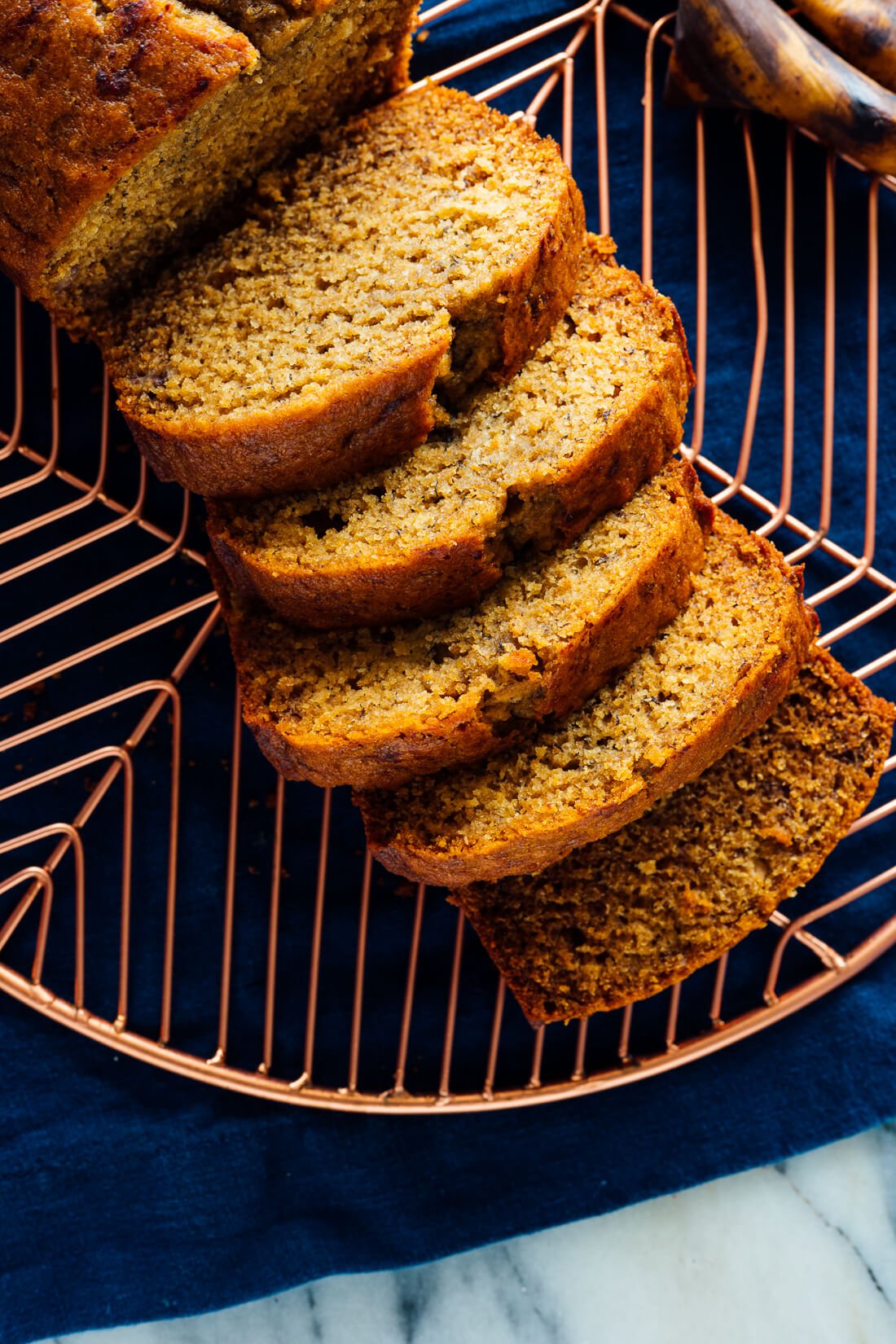
There's a reason banana bread holds a special place in our hearts and kitchens. It's the ultimate comfort food – warm, fragrant, and wonderfully moist, perfect for breakfast, an afternoon snack, or a cozy evening treat. Yet, for those striving for a healthier lifestyle, the traditional banana bread recipe often comes with a hidden caveat: a generous helping of processed sugar. But what if you could enjoy that same sweet indulgence, that familiar warmth, without the guilt? The answer lies in mastering the art of a healthy banana bread naturally sweetened. Imagine a tender, flavorful loaf, made with wholesome ingredients, where every bite is a testament to mindful eating, not deprivation.
This isn't just about cutting calories; it's about making smarter choices that nourish your body while delighting your taste buds. By opting for natural sweeteners and whole grains, you transform a beloved classic into a truly wholesome treat. Whether the weather turns chilly, inviting you to sip warm tea or coffee with a slice, or you simply crave a nutritious snack year-round, this approach ensures your banana bread is everything you love – elevated and guilt-free.
The Sweet Revolution: Why Choose Naturally Sweetened Banana Bread?
The movement towards healthier eating has revolutionized many classic recipes, and banana bread is a prime example. Embracing a naturally sweetened version means saying goodbye to refined sugars and welcoming ingredients that offer more than just empty calories. It's a commitment to a better-for-you bake that doesn't compromise on flavor or texture. Here’s why making the switch is such a game-changer:
A Guilt-Free Pleasure
One of the most compelling reasons to choose healthy banana bread naturally sweetened is the elimination of guilt. Traditional banana bread, while delicious, often contains high amounts of white sugar, which can lead to energy crashes and contribute to unhealthy dietary patterns. By substituting with natural alternatives, you create a treat that aligns with your wellness goals. This means you can indulge in a slice (or two!) without the internal struggle, knowing you're fueling your body with better ingredients. It's a truly satisfying experience to enjoy a beloved comfort food that actually supports your healthy lifestyle.
Whole Grains for Wholesome Goodness
Beyond the sweeteners, another cornerstone of healthy banana bread is the use of whole grains. Unlike refined flours, whole wheat flour retains the bran and germ, which are packed with fiber, vitamins, and minerals. This not only makes your bread more nutritious but also provides a more sustained energy release, preventing those post-snack slumps. Options like stone-ground whole wheat or white whole wheat flour offer a tender crumb without the heavy density sometimes associated with whole grain baking. For those with different dietary needs, even gluten-free flour blends can be incorporated, ensuring everyone can enjoy a slice of this wholesome goodness. To learn more about how different flours and sweeteners can transform your baking, explore our article on Crafting Healthy Banana Bread: Whole Grains & Natural Sweetener Secrets.
Beyond Just Sweetness: The Power of Natural Sweeteners
Natural sweeteners aren't just substitutes; they're enhancements. They bring their own unique flavor profiles, subtle complexities, and often, additional nutritional benefits that processed sugar simply can't offer. Maple syrup, honey, agave nectar, and even date paste contribute a mild, nuanced sweetness that complements the rich banana flavor, creating a more sophisticated and healthier taste experience. This thoughtful choice ensures your banana bread is not just sweet, but genuinely wholesome and nourishing.
Unveiling Nature's Sweeteners: Your Guide to Healthier Choices
The magic of naturally sweetened banana bread lies in the intelligent selection of sweeteners. Each option brings its own characteristics to the table, influencing both the flavor and nutritional profile of your loaf. Understanding these differences allows you to tailor your recipe to your preferences and dietary needs.
Maple Syrup: Liquid Gold with Minerals
Derived directly from maple trees, pure maple syrup is a fantastic natural sweetener. It boasts a distinct, earthy, and slightly caramel-like flavor that pairs beautifully with bananas and warm spices. Beyond its delightful taste, maple syrup contains beneficial minerals such as manganese, zinc, calcium, and potassium. Opt for 100% pure maple syrup, not pancake syrup, which is often high in corn syrup and artificial flavors. Its liquid form also contributes to the moistness of the bread.
Honey: Nature's Antioxidant Boost
Honey, a golden elixir produced by bees, is another superb choice. Its sweetness can vary depending on the floral source, ranging from delicate to robust. Honey is renowned for its antioxidant properties and trace amounts of folic acid. Some studies suggest local honey may even help alleviate seasonal allergies. When baking with honey, remember it's sweeter than sugar, so you might use slightly less, and it can affect the browning of your bake. Its unique flavor profile adds a depth that is truly comforting.
Agave Nectar: The Low-GI Option
Extracted from the agave plant, agave nectar is a liquid sweetener with a neutral flavor profile that won't overpower the other ingredients. Its main advantage is its low glycemic index (GI), meaning it causes a slower, steadier rise in blood sugar levels compared to refined sugar. This makes it a popular choice for those monitoring their blood sugar. However, it's important to use it in moderation, as it is still a concentrated sugar source, albeit one that's processed differently by the body.
Date Paste: An Unsung Hero for Wholesome Sweetness
While not as commonly known as the others, date paste offers a unique advantage: it's a whole food sweetener. Made by blending soaked dates, it retains all the fiber and nutrients of the fruit itself. This provides not only sweetness but also added fiber, potassium, and magnesium. Date paste lends a rich, caramel-like flavor and contributes to an incredibly moist texture. It's an excellent choice for those seeking a sweetener that truly embodies the "whole food" philosophy and adds an extra layer of nutritional value.
Crafting Your Healthy Banana Bread: Essential Ingredients & Smart Swaps
The beauty of making healthy banana bread naturally sweetened lies in the flexibility of its ingredients. Each component plays a crucial role, and making thoughtful choices can significantly impact both the nutritional value and the final taste and texture of your loaf.
The Foundation: Ripe Bananas and Healthy Fats
The star of the show, ripe bananas, are your primary source of natural sweetness. The riper they are (think brown spots!), the sweeter and more flavorful your bread will be. They also contribute significantly to the bread's moistness. For fats, opt for neutral oils like melted coconut oil (which also adds a subtle tropical note), extra-virgin olive oil for a hint of richness, or a quality vegetable oil. These healthy fats bind the ingredients, keep the bread moist, and help achieve that desirable tender crumb.
Dairy & Leavening: Texture and Rise
For an extra boost of moisture and a beautiful tender texture, Greek yogurt is a fantastic addition. Its slight tang also complements the sweetness of the bananas and natural sweeteners. You can use regular dairy or non-dairy milk (almond, soy, oat) to achieve the right batter consistency. And, as in any good quick bread, baking soda and salt are essential. Baking soda reacts with the acids in the bananas and yogurt to create a perfect rise, while salt balances the flavors and enhances the sweetness.
Flavor Finesse: Spices That Sing
No banana bread is complete without a generous splash of vanilla extract and a warming dash of ground cinnamon. These two are non-negotiable for that classic, comforting aroma and taste. But don't stop there! When the seasons change, or you simply want to add more depth, consider a pinch of ground cloves or nutmeg. These autumnal spices elevate the flavor profile, making your healthy banana bread even more enticing. For an added textural and nutritional crunch, incorporate a handful of chopped walnuts – they pair wonderfully with the banana and spices.
From Bowl to Bake: Tips for the Perfect Healthy Loaf
Bringing your healthy banana bread naturally sweetened to life is a straightforward process, but a few key techniques can ensure your loaf turns out perfectly moist, tender, and delicious every time.
Prep Work Matters
Before you even begin mixing, preheat your oven to 350°F (175°C) and prepare your loaf pan. A standard 8.5 x 4.5-inch or 9 x 5-inch pan works best. Coating it with nonstick cooking spray or lining it with parchment paper will prevent sticking and make for easy removal, ensuring your beautiful loaf comes out intact.
The Art of Mixing
Start by mashing your ripe bananas thoroughly in a large bowl. The riper they are, the easier this will be! Then, whisk in your chosen oil and natural sweetener (maple syrup, honey, or agave). Incorporate the eggs, milk, Greek yogurt, and vanilla extract, whisking until everything is fully combined and smooth. In a separate bowl, whisk together your dry ingredients: whole wheat flour, baking soda, salt, cinnamon, and any additional spices like nutmeg or cloves. The critical step here is combining wet and dry: gently fold the dry mixture into the wet ingredients until *just* combined. Overmixing can lead to a tough, dry bread, so stop as soon as you no longer see streaks of dry flour. A light hand here ensures a tender, moist crumb.
Baking to Perfection
Transfer the batter to your prepared loaf pan and spread it evenly. Bake for 50 to 60 minutes. The exact time can vary depending on your oven, so keep an eye on it. The best way to test for doneness is to insert a toothpick or thin skewer into the center of the loaf; if it comes out clean or with a few moist crumbs attached, your bread is ready. Once baked, let the bread cool in the pan for about 10-15 minutes before transferring it to a wire rack to cool completely. This prevents it from getting soggy. For more detailed steps and confidence in your baking, remember to Bake Guilt-Free: Healthy Banana Bread with Natural Sweeteners by following these simple guidelines.
Once cooled, slice and enjoy your wholesome creation! It's delicious on its own, with a smear of nut butter, or alongside a warm beverage. Leftovers can be stored at room temperature for a few days, or frozen for longer enjoyment.
Conclusion
Embracing a healthy banana bread naturally sweetened isn't just a recipe modification; it's a step towards a more mindful and joyful approach to baking and eating. You no longer have to choose between satisfying your cravings and adhering to your health goals. This wholesome version offers everything you adore about classic banana bread – its comforting aroma, its tender crumb, and its undeniable deliciousness – all while being free from processed sugars and enriched with whole grains and natural goodness. So go ahead, preheat your oven, mash those ripe bananas, and treat yourself to a sweet indulgence that truly nourishes both body and soul. Your taste buds, and your well-being, will thank you.
